
Most homeowners picture cracked concrete when they think about foundation problems. If your home sits on a pier and beam foundation, the warning signs look different. And they are easier to ignore until the damage is already done.
With pier and beam construction, the warning signs are specific. A bouncing floor. A door that stuck for the first time last spring. A faint smell after rain that was not there two years ago. These are not random. They follow a pattern, and once you recognize what that pattern means, you can decide whether to call someone now or wait until the repair gets bigger and more expensive.
What You Need to Know
- Pier and beam foundations are common in older Oklahoma homes and have their own failure points separate from slab foundations.
- Wood rot and moisture damage in the crawl space are among the most frequent causes of pier and beam problems in Oklahoma’s humid climate.
- Floors that sag, bounce, or slope are the clearest sign that the beams or piers beneath them need attention.
- Catching the problem early almost always means a smaller repair. Waiting turns a beam issue into a full structural job.
How a Pier and Beam Foundation Works and Why Oklahoma Is Hard on Them
Think of your home sitting on a table. The tabletop is your floor. The legs are the piers. The wooden frame connecting them is the beam structure. Everything depends on those legs staying in place and the frame staying solid.
Oklahoma makes both of those harder than they should be.
The clay soil beneath the piers expands when it rains and shrinks during dry spells. This is not subtle movement. Oklahoma’s native clay is among the most active shrink-swell soil in the country, and the push-pull it puts on a foundation happens every wet season and every summer drought. Over time, individual piers can settle unevenly. When one leg of the table sinks lower than the others, the floor above it follows. That is what foundation repair professionals call differential settlement, and pier and beam foundations feel it differently than slabs because each pier can move on its own.
Add moisture on top of that. Oklahoma’s humidity collects in crawl spaces year-round. Without proper ventilation or encapsulation, wooden beams absorb that moisture steadily. Wet wood softens. Soft wood rots. Rotting beams cannot support the floor above them, no matter how solid the piers underneath still are.
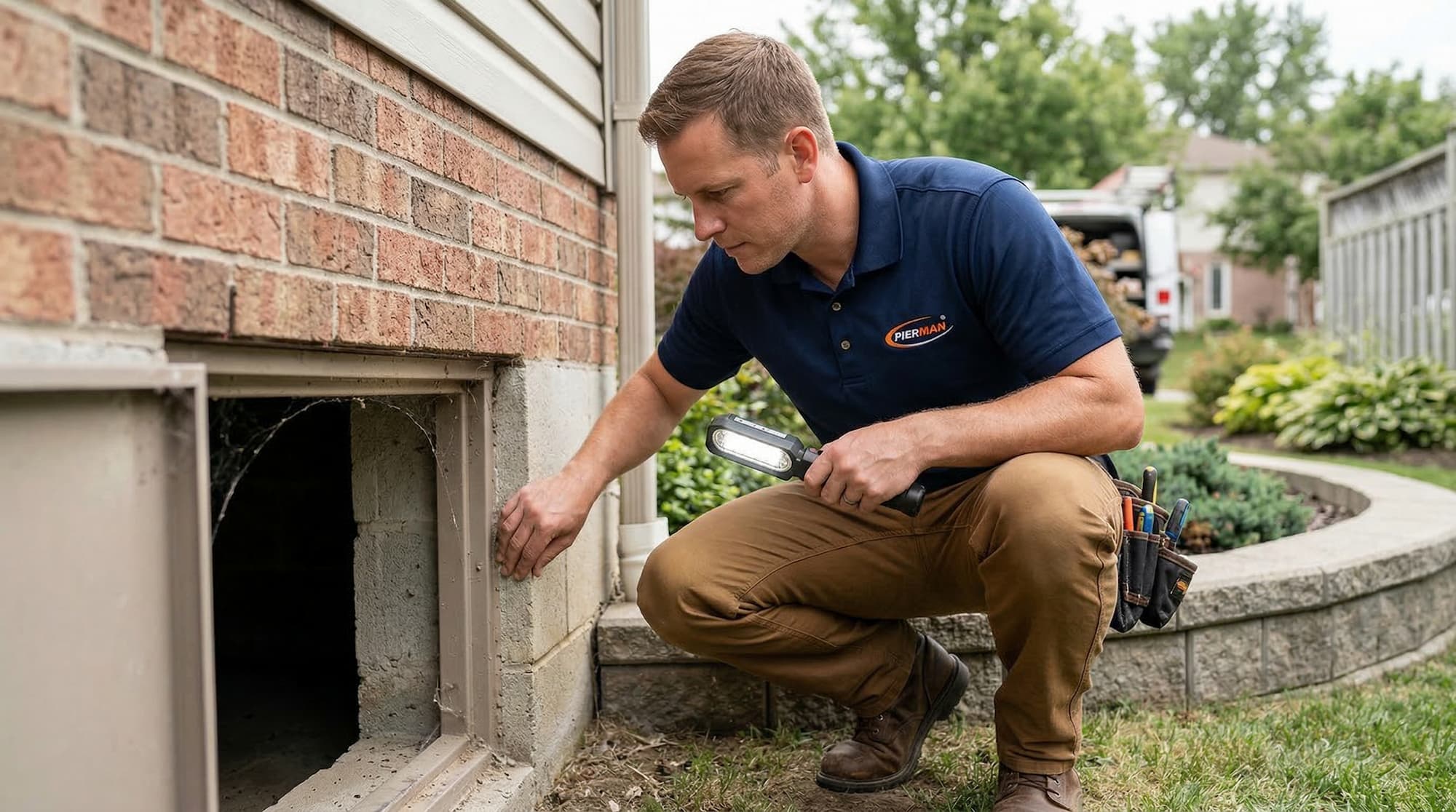
What Oklahoma Pier and Beam Homes Look Like Before a Problem Becomes Obvious
In most cases, the crawl space starts failing long before anything shows up on the surface. By the time you notice something in your living room, the issue below has usually been developing for months, sometimes years.
That is why pier and beam problems tend to catch homeowners off guard. Nothing looked wrong from outside the house.
Older neighborhoods across Ada, Ardmore, and much of the Oklahoma City metro were built heavily with pier and beam designs. A lot of those homes are now 50 to 70 years old. The original wood is aging, the piers have been through decades of clay movement, and the crawl spaces have seen a lot of Oklahoma summers and wet springs. Age alone is not a problem. But age combined with unchecked moisture is.
Signs Inside Your Home You Should Not Dismiss
The clearest warning signs show up in your floors and your doors first.
A floor that bounces when you walk across it is not a quirk of old construction. It means the structural support beneath it has weakened. A floor that slopes toward one corner is telling you that a pier has settled or a beam has sagged. These are not the same thing and the fix for each is different, but both start with a look inside the crawl space.
- Doors that were easy to open last year and now stick, especially interior doors on the ground floor
- Gaps appearing between your baseboards and the floor, particularly in rooms directly above the crawl space
- A soft or spongy feeling underfoot near walls or in the middle of a room
Oklahoma homes that have not had a crawl space inspection in five or more years carry higher risk. The state’s combination of humidity and wet-dry soil cycles degrades wood faster than most homeowners expect when they buy an older home.
Other Signs That Point to the Crawl Space
Some signs are easy to write off as normal house settling. They are worth a second look.
A musty smell that shows up after rain and does not fully go away means moisture is sitting in your crawl space and not drying out. That smell is not surface mildew. It is wood absorbing water it cannot release. Once that process starts, it continues with every rain cycle.
Cabinets pulling slightly away from the wall, or tile grout cracking in a line across a room, can indicate that the floor beneath has shifted unevenly. These feel like cosmetic issues. They are not. They are the floor telling you something changed below it.
Pest activity in or near the crawl space is also worth paying attention to. Termites and carpenter ants are drawn to soft, moisture-damaged wood. Their presence often accelerates damage that was already developing before anyone noticed them.
What Waiting Costs You and What an Early Repair Actually Looks Like
Pier and beam repairs typically fall into one of three categories: adjusting piers that have settled slightly, replacing damaged or rotting beams and floor joists, or installing new piers where existing ones have shifted or failed.
Caught early, shimming settled piers is a manageable job. A technician enters the crawl space, assesses what has moved, and makes the adjustment. The floor levels out. The job closes in a day.
Wait until beams are rotting and the floor is visibly sagging, and the scope changes. Now you are replacing structural wood, potentially multiple joists, and still need to address the moisture issue that caused it. The cost difference between catching it at the shim stage versus the beam replacement stage is real and significant.
There is no version of this problem where waiting makes the repair smaller. If you have seen any of the signs above, an inspection now is the right call. You can learn more about what the pier and beam repair process involves before committing to anything.
People Also Ask About Pier and Beam Repair
How do I know if my home has a pier and beam foundation?
Look for a crawl space access panel on the exterior of your home, usually near the base. If there is a low enclosed space underneath the house, you likely have a pier and beam or crawl space foundation. Most Oklahoma homes with this design were built before 1970.
Can I inspect my own crawl space?
You can look in, but a professional inspection finds things a homeowner walking the perimeter will not. Early-stage wood rot looks and feels almost normal. A trained inspector looks for soft spots, moisture staining, pest damage, and pier movement that is not obvious from the access opening.
Does crawl space encapsulation help prevent pier and beam damage?
Yes. Crawl space encapsulation controls the moisture that causes most of the wood degradation in pier and beam foundations. It will not fix a pier that has already settled, but it slows the conditions that cause damage in the first place. For older Oklahoma homes with crawl spaces, it is one of the most effective preventative steps available.
How long does pier and beam repair take?
A shim or leveling job can usually be completed in a single day. A repair involving beam or joist replacement will take longer depending on how much of the structure is affected. Pierman evaluates each home individually and gives you a clear scope and timeline before any work begins.
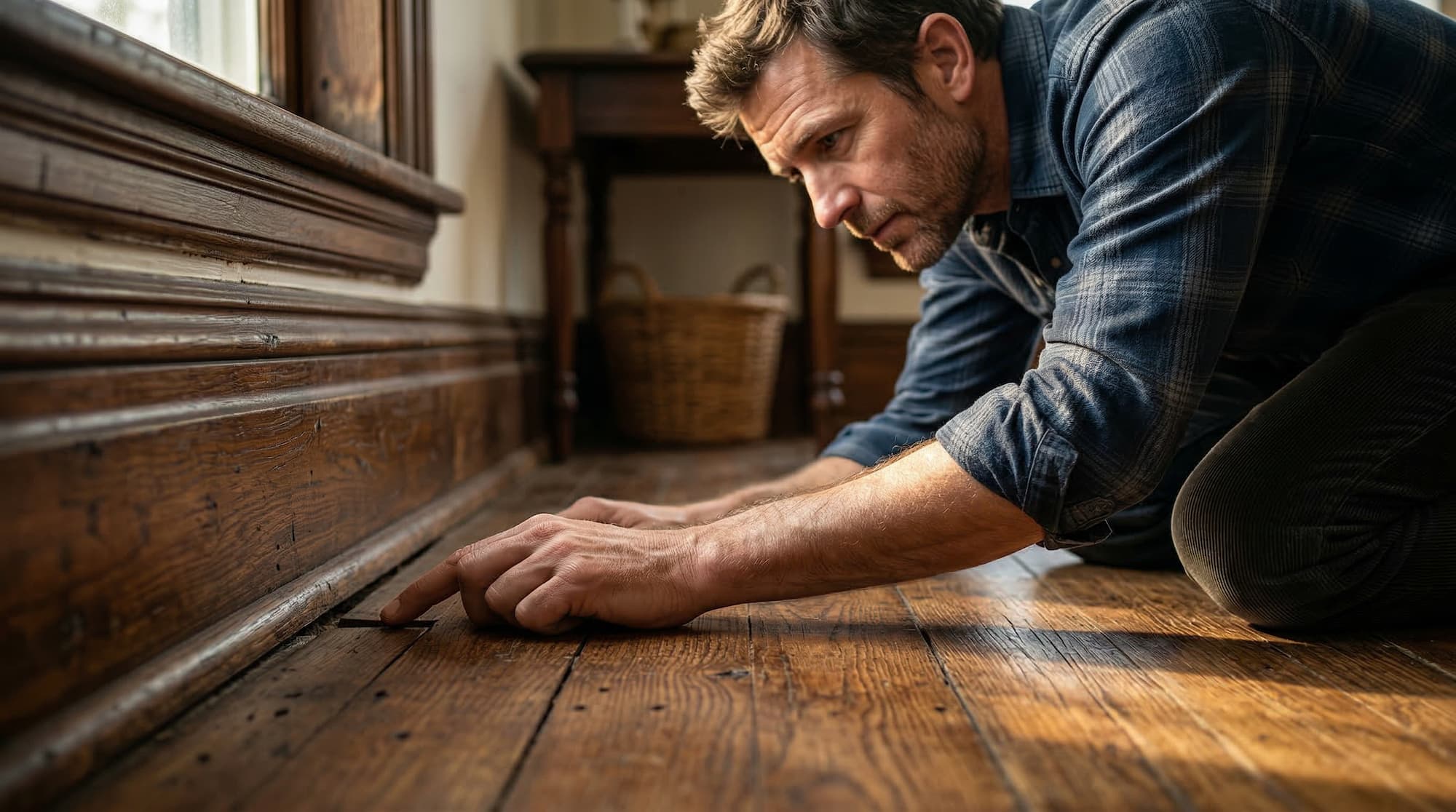
See Signs of Pier and Beam Problems in Your Home?
Ada gets around 42 inches of rain a year, and Pierman has spent years inspecting what that does to crawl spaces across Pontotoc County and beyond. We know what moisture damage looks like before it reaches the floor above it. The inspection is free, the estimate is written, and there is no obligation.
Prefer to plan ahead? Request your free Pierman inspection online and we will reach out to schedule.
