
For many homeowners, the very foundation their home rests on is a source of mystery and, often, anxiety. When cracks appear and floors begin to slope, it feels like a silent alarm bell is ringing, signaling trouble beneath the surface. But fear not, because knowledge is the best tool in any homeowner’s arsenal, and you’re about to arm yourself with expert insights about foundation repair.
At Pierman Foundation Specialists, we spend our days diagnosing and addressing the hidden ailments of homes just like yours. We’ve seen it all — from the hairline fractures that barely warrant a second glance to the gaping chasms that call for immediate action.
Whether you’re witnessing the first signs of wear or grappling with the decision of how to proceed with repairs, you’re in the right place.
The foundation of your home is the bedrock upon which all else stands — it’s time to give it the attention it deserves. So let’s take a look at seven crucial questions many homeowners have about foundation repair.
1. What are the Signs My Foundation Needs Repairs?
Here are some signs that indicate the need for foundation repair:
Cracks in Walls or Floors
One of the most common and visible signs of foundation issues is the presence of cracks. These can appear in the flooring, walls, or even the foundation itself. Hairline cracks may be non-structural and result from the natural settling of the house. However, wide cracks, especially those that are expanding over time, could signal a significant foundation problem.
Doors and Windows That Stick or Won’t Close Properly

If your doors or windows begin to stick or won’t close properly, it could be due to your house settling unevenly, causing shifts in the foundation. This misalignment can prevent doors and windows from functioning correctly.
Gaps Between Wall Seams or Between Walls and Ceilings
Gaps can develop where wall seams usually meet or between the walls and the ceiling. These gaps may suggest that your home’s foundation has shifted.
Sloping Floors or Staircases
An uneven or sloping floor is often a sign of a shifting foundation. If you notice a slight angle on the floor or that furniture tends to roll in a certain direction, it’s a good idea to have your foundation inspected.
Water Damage or Soil Shifting Around the Foundation
Water is often the culprit behind foundation issues. Excessive moisture can lead to the soil expanding, and drying out can cause it to contract. This cycle can put stress on your foundation. If you notice water pooling around your home or changes in the soil around your foundation, it’s a sign to investigate further.
Bowing Walls
Bowing or bulging in basement walls can indicate that the earth around your foundation is expanding and contracting, putting pressure on walls and causing them to warp.
Visible Tree Roots Near the Foundation
Large trees near your home can be problematic if their roots grow too close to the foundation. Roots can push against the foundation, causing cracks and instability.
Chimney Cracks or Separation
If your chimney starts to lean or you notice cracks between the chimney and the house, this could signal a shifting foundation.

Cracked or Crumbling Foundation
Visible deterioration of the actual foundation, such as crumbling concrete or bricks, can be a tell-tale sign of foundation issues.
Unusual Noises
Sounds such as creaking, groaning, or popping could be due to the house settling unevenly and putting stress on the structure.
A Musty Smell in the Basement
A musty odor in the basement can indicate dampness and possible water intrusion, which could be related to foundation problems.
If you notice any of these signs, it’s important to contact a professional foundation repair service to assess the situation. Early detection and repair can prevent more serious damage and can often save money in the long run. Regular inspections can also help detect potential problems before they become significant issues. Remember, the foundation is critical to the integrity of your home, and keeping it in good repair is essential for the safety and value of your property.
2. How Much Does Foundation Repair Cost?
The cost of foundation repair can vary widely based on several factors, ranging from a few hundred dollars for minor crack filling to tens of thousands of dollars for extensive underpinning. On average, homeowners can expect to pay between $2,000 and $7,000 for foundation repair, with some extreme cases leading to $10,000 or more.
Understanding these factors can help homeowners prepare for the financial aspect of repairing their home’s foundation. Here’s what influences the cost and what you can expect.
- Extent of the Damage: The more extensive the damage to the foundation, the more expensive the repair will be. Small cracks can often be filled in at a relatively low cost, while significant structural repairs can be quite expensive.
- Type of Foundation: Different types of foundations require different repair methods. A slab foundation, for instance, may cost less to repair than a basement or a crawl space because it is easier to access.
- Repair Method: There are various methods to repair a foundation, and each comes with its own costs. For example, sealing a crack with epoxy might be on the lower end of the cost spectrum, while underpinning a foundation with piers can be very costly.
- Size of the Home: Larger homes with more weight to support may incur higher costs due to the increased material and labor required.
- Geographic Location: Labor and material costs vary by region. Additionally, certain areas may have specific building codes or require special permits, which can affect the overall cost.
- Contractor Expertise: Experienced contractors may charge more for their services, but they also bring expertise that can ensure the repair is done correctly. It’s crucial to choose a qualified and reputable professional, even if it means paying a bit more.
- Additional Costs: Sometimes, repairs may uncover additional problems, or the method of repair may require additional work, such as landscaping or rerouting utilities, which can add to the cost.
- Materials Used: The cost of materials can fluctuate depending on the quality and the current market. Higher quality materials may cost more but can provide better durability and longevity.
Insurance and Warranties
In some cases, homeowners’ insurance may cover foundation repairs, especially if the damage is due to a covered event. Additionally, some companies may offer warranties on their work, which can provide long-term cost savings.
Foundation Repair Financing Options
Because foundation repair can be expensive, some companies offer financing options to help homeowners manage the cost. It’s worth asking about these options if the upfront cost is prohibitive.
The cost of foundation repair is not a one-size-fits-all situation. It’s influenced by the extent of damage, the type of foundation, the repair method, and other factors. Homeowners should get multiple quotes from reputable contractors to understand the potential costs better. It’s also important to act promptly on foundation issues, as delaying repairs can lead to more significant damage and higher costs down the line. Remember, investing in your foundation is investing in the overall health and longevity of your home.
3. How do you fix a foundation problem?
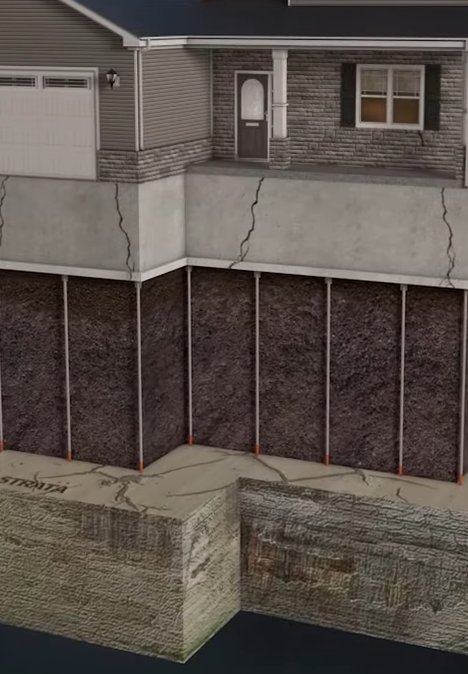
Fixing a foundation problem is a critical task that requires a systematic approach to ensure the longevity and safety of the structure. Here is a step-by-step guide about how to address foundation issues:
- Early Detection: The first step in fixing a foundation problem is recognizing the issue as soon as possible. Homeowners should regularly inspect their homes for signs of foundation damage, such as cracks, sticking doors, or uneven floors.
- Professional Inspection: Once a problem is suspected, a professional should be called in to assess the foundation. Structural engineers or specialized foundation repair contractors can provide a thorough inspection and identify the root cause of the issue.
- Assessing the Damage: The foundation professional will evaluate the extent of the damage, considering factors such as the type of foundation, the severity of the cracks, soil conditions, and the presence of water or moisture issues.
- Determining the Repair Method: Depending on the assessment, the repair method can range from simple to complex. For minor cracks, sealants and masonry patches can be used. If water is a problem, improving drainage and waterproofing might be necessary. For more significant issues, underpinning the foundation with piers or pilings may be recommended to stabilize the foundation.
- Obtaining Permits: Some foundation repairs may require permits from the local municipality. A reputable contractor will handle the permit process to ensure that all work is up to code.
- Preparing the Site: Before the actual repair work begins, the site must be prepared. This may involve excavating around the foundation, removing landscaping, and ensuring the area is safe for workers.
- Executing the Repairs: The repair work will be carried out according to the plan. Crack repair may involve filling cracks with epoxy or polyurethane foam. For drainage issues, installing French drains or sump pumps might be necessary. Underpinning may require hydraulic jacks to lift the house to the original level and then placing concrete piers, steel piers, or helical piers under the foundation.
- Monitoring the Repairs: Throughout the repair process, it’s important to monitor the work to ensure that the foundation is properly stabilized and the house is leveled correctly.
- Restoration and Clean-Up: After the repairs are complete, the property will need to be restored. This includes backfilling excavated areas, repairing any damage to landscaping, and addressing any secondary damage to the interior or exterior of the home.
- Follow-Up Inspections: Follow-up inspections by the contractor or a structural engineer are crucial to ensure the repairs have held and the foundation remains stable.
- Maintenance: After repairs are made, maintenance is key to preventing future foundation problems. This includes monitoring for new signs of damage, maintaining proper drainage, controlling moisture levels, and inspecting the foundation regularly.
- Warranty and Guarantee: Many foundation repair companies offer warranties or guarantees on their work. Homeowners should ensure they understand what is covered and for how long.
Fixing a foundation problem is a multi-faceted process that requires expertise, precision, and care. Homeowners must work with qualified professionals who can accurately diagnose the problem and implement effective solutions.
While the process can be costly and time-consuming, proper foundation repair is indispensable to the structural integrity of a home and the safety of its occupants. Regular maintenance and monitoring post-repair can help preserve the foundation’s condition and prevent future issues.
4. Can I do Foundation Repair Myself?
Undertaking foundation repair by oneself can be a daunting task. However, for those with a do-it-yourself (DIY) spirit and some experience in home repair, certain minor foundation issues can be addressed without the immediate need for professional help. Here’s a detailed guide on how to tackle foundation repair on your own.
Assessment and Planning
The first and foremost step in DIY foundation repair is accurately assessing the extent of the problem. Look for symptoms like small cracks in the foundation, uneven floors, and gaps in window frames or doors.
If the issues are minor and localized, they may be suitable for DIY methods. However, significant problems, such as large horizontal cracks, severe water damage, or structural shifting, require professional intervention.
Gathering Tools and Materials
Once you’ve identified repairable issues, gather the necessary tools and materials.
For crack repairs, you’ll need concrete patching compound, caulk, masonry sealant, or epoxy injections. Waterproofing might require sealants, membranes, or weeping tiles. Ensure you have the proper safety equipment, including gloves, goggles, and a dust mask.
Surface Preparation
Before you begin any repair, the surface must be clean and free of debris, dust, and loose material. Use a wire brush to clean out cracks and a power washer for larger surfaces. Allow the area to dry completely before proceeding with the repair.
Crack Repairs
For small cracks (less than 1/4 inch wide), use a concrete caulk or sealant. Fill the crack thoroughly and smooth it out with a trowel. For larger cracks, a patching compound may be necessary. Very deep cracks might require an epoxy injection. Follow the manufacturer’s instructions carefully for the best results.
Improving Drainage
Improper drainage can lead to water pooling around the foundation, exacerbating problems. Ensure downspouts are directing water away from the house, and consider adding extensions if necessary. Slope the ground away from the foundation so water does not collect near the walls.
Waterproofing
Waterproofing can be done by applying a waterproof coating to the exterior foundation walls. For this, the ground around the foundation will need to be excavated. A liquid membrane or sheet products can be applied directly to the walls, followed by a protective drainage board.
Piering and Underpinning
For more significant issues where the foundation has shifted or sunk, underpinning with piers might be necessary. This is a complex process usually best left to professionals, but experienced DIYers can undertake it with the proper equipment, such as helical piers or concrete pilings. Keep in mind that installation equipment will also be needed.
Finishing Touches
After repairing cracks or applying waterproofing, give everything ample time to cure according to product instructions. Once cured, backfill any excavated areas, taking care not to damage the fresh repairs.
Regular Monitoring
Post-repair, keep an eye on the foundation and the areas that have been fixed. Monitoring for any new signs of damage can catch issues before they become major.
Limitations and Considerations
While the DIY approach can save money, it’s not without risks. Incorrect work can lead to further damage and even more costly repairs down the line. Structural repairs, in particular, are complex and can affect the entire house if not done correctly.
DIY foundation repair is not for the faint of heart and should only be attempted by those with the right skills and understanding of the risks involved. For minor repairs, following the steps above can lead to satisfactory results. However, for anything beyond superficial damage, or if you are in doubt, it’s wise to consult a professional. Your home’s foundation is critical to its overall stability and safety, and ensuring it’s in good condition is paramount.
5. Does home insurance cover foundation repair?

Typically, standard homeowners’ insurance policies cover sudden and accidental damage to your home. When it comes to foundation repair, that means whether or not it is covered largely depends on what caused the damage in the first place.
Understanding the specifics of home insurance coverage for such repairs is key. Here is a detailed exploration of the conditions under which home insurance may or may not provide coverage for foundation repairs.
Covered Perils
Most home insurance policies cover a specific set of perils, such as fire, lightning, vandalism, theft, and sometimes certain types of water damage. If your foundation is damaged by one of these, you are more likely to have coverage for the repairs. For instance, if a plumbing issue leads to significant water damage that affects the foundation, this might be covered.
Exclusions and Limitations
It’s important to read the fine print of your policy to understand exclusions. Common exclusions that affect foundation repair include:
- Settlement, shrinking, bulging, or expansion of the foundation and other structural elements.
- Damage due to earth movement, such as earthquakes, landslides, and sinkholes, unless additional coverage is purchased.
- Faulty construction, poor workmanship, or the use of defective materials.
- Neglect or failure to perform routine maintenance.
Additional Coverage and Endorsements
Homeowners can sometimes purchase additional coverage for perils not covered under a standard policy. For example, you might buy earthquake insurance if you live in an area prone to seismic activity. Similarly, flood insurance (which is separate from standard home insurance) can provide coverage for foundation damage due to flooding.
Filing a Claim
If you believe your foundation damage should be covered, you’ll need to file a claim with your insurance company. This process typically involves:
- Documenting the damage with photographs and detailed notes.
- Reviewing your insurance policy to ensure the damage is a covered peril.
- Contacting your insurance agent to report the damage and begin the claims process.
- Scheduling an inspection with an insurance adjuster to assess the damage.
Insurance Adjuster’s Role
The adjuster will evaluate the damage and determine if it falls under the coverage of your policy. If the damage is due to a covered peril, the adjuster will estimate the cost of repairs. Your insurance company will then determine the claim payout, taking into account your policy’s deductible and coverage limits.
Preventative Measures and Maintenance
It’s crucial to maintain your home and address any small issues before they become significant problems. Regular inspections can identify potential issues early on. Maintenance is key because insurance typically doesn’t cover damage due to wear and tear or neglect.
Professional Advice
Consider consulting with an insurance professional or a public adjuster if you have questions about your policy’s coverage. They can offer guidance and help you understand the specifics of your insurance coverage.
Home insurance may offer a safety net for foundation repairs, but this coverage is usually limited to specific, sudden events rather than issues stemming from aging or general wear and tear.
Homeowners should proactively review their insurance policies, understand the exclusions, and consider additional coverage if necessary.
Being well-informed and prepared can save considerable stress and expense when dealing with the complex issue of foundation repair.
6. How long does foundation repair last?
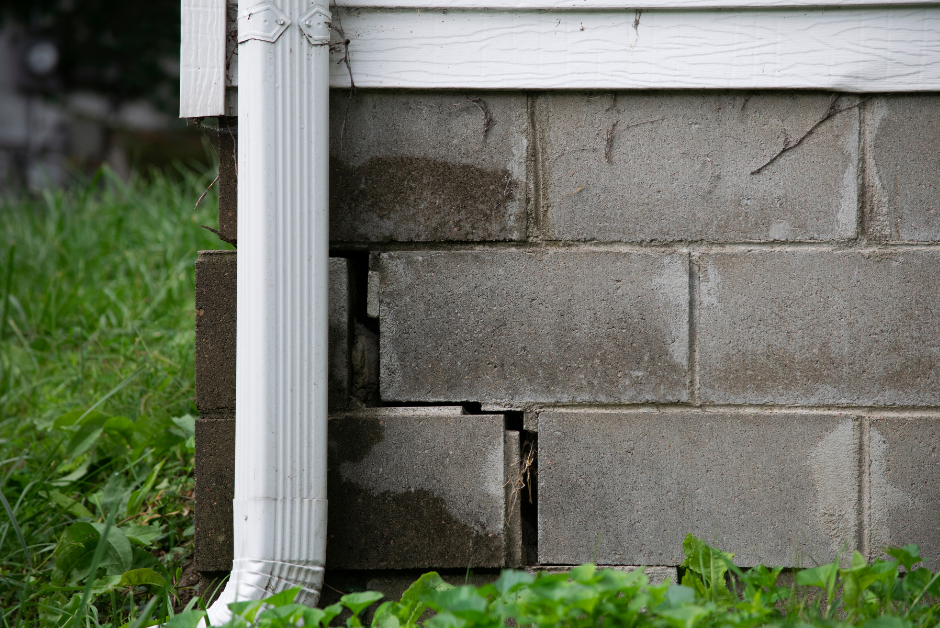
When it comes to repairing the foundation of a home, homeowners are not just concerned about the immediate fix but also about how long the repairs will last.
While the lifespan of foundation repairs can vary widely, minor crack repairs can last 5 to 10 years, and major stabilization repairs like piering are often considered permanent solutions that should not require repeat work.
The question of how long foundation repairs will last depends on a complex interplay of factors, including the repair method, quality of materials, workmanship, soil and environmental conditions, and ongoing maintenance. By understanding these elements and investing in quality repairs and regular upkeep, homeowners can ensure that their foundation repairs last as long as possible.
Here’s an in-depth look at what affects the longevity of foundation repairs and what you can expect.
Types of Foundation Repairs
The method of repair is one of the primary factors that determines how long it will last. There are several common techniques used for fixing foundations:
- Epoxy Injections: For cracks, epoxy injections are a solution that can last for many years, often as long as the rest of the building’s life. They are very long-lasting if applied correctly and if the building doesn’t undergo significant shifts or settlement.
- Piering and Underpinning: These methods involve driving steel or concrete piers into the ground beneath the foundation to stabilize it. This type of repair is considered permanent and, when done correctly, should last for the life of the structure.
- Sealants and Masonry Patches: These are often used for minor, non-structural repairs and can last from 5 to 10 years, depending on environmental conditions and the quality of the product.
- Drainage Corrections: Improving the drainage around a foundation can significantly increase the life of a foundation, preventing many of the issues that lead to its deterioration in the first place.
Quality of Workmanship
The durability of any repair is directly linked to the quality of the workmanship. Repairs performed by experienced and reputable contractors using the proper techniques and materials are likely to last much longer than those done by less skilled workers.
Foundation Repair Materials Used
The materials used for foundation repair also play a critical role. Higher quality materials tend to withstand environmental stresses better and last longer. For instance, carbon fiber reinforcements have a long lifespan and are becoming increasingly popular for foundation repair.
Soil Conditions and Environment
The type of soil your home is built on can significantly impact the longevity of foundation repairs.
Expansive clay soils, for example, can shift considerably with moisture changes, which can lead to recurring foundation issues. Additionally, environmental factors such as extreme weather, seismic activity, and flooding can affect the duration of repairs.
Maintenance and Aftercare
Like most things, the better you maintain your foundation after a repair, the longer the repair is likely to last. Regular inspections, proper drainage maintenance, and addressing small issues promptly can extend the life of the repairs.
Foundation Repair Warranty and Guarantees
Many foundation repair companies offer warranties or guarantees on their work. These can range from a few years to the lifetime of the structure, providing an idea of how long the repair is expected to last under normal conditions.
7. What happens if you don’t fix foundation problems?
Foundation problems can be a homeowner’s worst nightmare, often leading to a cascade of structural issues if not addressed promptly.
The inclination to delay repairs due to cost or disruption is understandable. However, the repercussions can be far more severe than the inconvenience of immediate repair. Let’s delve into the gradual but significant impact of neglecting foundation issues.
Initial Warning Signs Give Way to Noticeable Structural Damage

Foundation issues often begin with subtle signs that may be easy to overlook. These can include doors that won’t close properly, floors that are slightly uneven, and small cracks in walls — especially over doorways, windows, or where walls meet ceilings.
While these may seem cosmetic, they are early indicators of potential foundation movement and should not be ignored.
That is because as time passes, what were once minor cracks can widen and multiply. Doors and windows may become significantly misaligned, making them difficult to operate. Floors can slope more noticeably, leading to a tripping hazard and difficulty placing furniture.
At this stage, the evidence of foundation issues becomes harder to dismiss, signaling the need for immediate intervention.
Increased Foundation Repair Costs
The longer foundation problems are left unaddressed, the more extensive — and expensive — the repairs can become.
A small crack may only need a simple fix, but as the foundation continues to shift, the complexity of the repairs increases along with the cost. Additionally, secondary damage to the home’s structure and finishes will also need to be rectified, adding to the financial burden.
Plumbing and Electrical System Strain
As the foundation moves, it can exert pressure on plumbing and electrical systems. Pipes may crack or break, leading to water damage and potential mold issues. Electrical wiring can become stretched or damaged, posing fire risks and necessitating expensive repairs or replacements.
Decrease in Property Value
Foundation problems are a red flag for potential buyers and can significantly reduce the value of your home.
Even if you’re not planning to sell immediately, the depreciation in property value can be a substantial financial hit. Additionally, some mortgage lenders may not finance homes with significant structural issues, further complicating any sale.
Potential for Catastrophic Failure
In the most severe cases, prolonged neglect of foundation issues can lead to catastrophic structural failure. Walls or ceilings may collapse, in extreme situations, and homes can become uninhabitable.
This level of damage is not just costly to repair; it also poses serious safety risks to the inhabitants.
Health and Safety Hazards
Beyond structural damage, foundation problems can create health hazards.
Cracks and gaps can allow pests and vermin to enter the home, and water intrusion can lead to mold and mildew growth, which can have significant health implications, especially for those with allergies or respiratory issues.
Insurance and Legal Complications
Insurance policies often have limitations on coverage for damage caused by foundation issues, especially if the problems result from neglect. Furthermore, should a foundation failure cause injury or damage to neighboring properties, legal liability can arise. This could lead to lawsuits and financial liability.
Tackle Foundation Repair Early
Ignoring foundation problems is akin to neglecting a medical condition; the longer it goes untreated, the more serious and costly the repercussions become.
Early detection and repair not only preserve the structural integrity and value of a home but also prevent a multitude of secondary problems that can compromise safety, finances, and the overall habitability of the property.
Homeowners should be vigilant, proactive, and responsive to the first signs of foundation issues to protect their investment and well-being.
Learn More About Foundation Repair From Pierman
Foundation problems present a complex challenge that requires a thorough understanding and a strategic approach.
The financial implications, the potential for significant property devaluation, and the safety hazards posed by a compromised foundation underscore the urgency and importance of addressing such problems promptly and effectively.
To navigate this daunting terrain, we encourage homeowners and property managers to equip themselves with the necessary knowledge and resources. For this purpose, we have crafted a comprehensive resource, “The Ultimate Guide to Foundation Repair,” which is available for free download. We designed this guide to empower you with the insights needed to make informed decisions about foundation repair.
Furthermore, we understand that each property is unique, and personalized attention is often required to assess the situation accurately. Therefore, we invite you to take advantage of our offer for a free, no-obligation inspection. By scheduling this inspection, you will receive expert evaluation from our skilled professionals, ensuring that any foundation issues are identified and addressed with the utmost precision and care.