
If you have ever walked on a foam mat, you know the sensation is different than walking on a solid surface. There is more give to each step and it feels like the floor is spongy. There are plenty of places where that extra “give” is a good thing. Your home’s flooring, however, is not one of those areas.
Spongy floors in your home often indicate problems with your floor joists. And, if you have a pier and beam foundation with a crawl space, they can also be a symptom of deeper crawl space problems that require your attention.
What is Causing Your Floor to Become Spongy?
There are several possible causes for spongy floors, including having a subfloor that lacks the necessary strength and rigidity. Improperly spaced floor joists can also be to blame.
If your home has a pier and beam foundation with a crawl space, however, the cause of the problem likely can be found there.
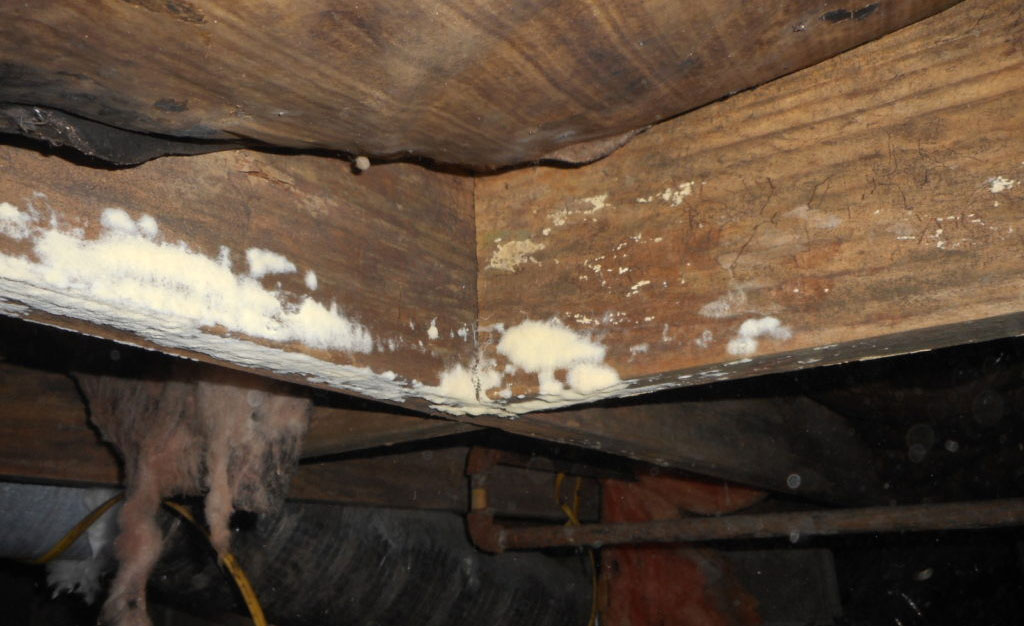
In a pier and beam foundation, the wooden beams that form the base of the house are supported by a system of piers that elevate them off the ground, creating a crawl space beneath the house. The floor joists are then built on top of the beams. For instance, if one or more of the piers sink deeper into the ground, they can no longer provide the beams with the necessary support to remain level. This can lead to a variety of foundation problems, including slanting floors.
When a floor is spongy, however, the cause is often that the joists or the beams have been weakened, and moisture-related wood rot is usually the cause.
Water in Your Crawl Space Can Spur Wood Rot
Water (or even excess humidity) in your crawl space can spur a whole host of problems, from mold, to pest infestations to a musty odor. Among these is wood rot.
The more that a floor joist rots, the more strength and rigidity it loses. Therefore, the floor will sink a bit when walked upon, giving it that spongy feel.
Weakened floor joists or beams can also cause other structural issues for your home and should be addressed for reasons beyond just the spongy floors.
How to Fix Spongy Floors
If your spongy floors are caused by wood rot in your crawl space then repairing them is a two-part process.
1. Replace the Rotting Beams and Joists
The first step is the obvious one: the rotting beams and joists must be replaced with new ones that can provide adequate support for your floors and the rest of your home.
This will eliminate both the spongy floors and any other foundation problems that the wood rot was causing, from sticking doors and windows to wall cracks.

2. Crawl Space Encapsulation
If the first priority with repairing rotting floor joists and beams is to fix the immediate damage, the second is to ensure that the problem never comes back.
To do that, you have to find a way to keep moisture out of your crawl space, and the best way to do that is through crawl space encapsulation.
Crawl space encapsulation involves completely covering the walls and floor of the crawl space with a tear-resistant vapor barrier. This will prevent water and pests from invading your home through your crawl space. It will not only stop additional wood rot but also other common problems that crawl space moisture causes, including mold.
Contact Pierman for Pier and Beam Repair and Crawl Space Encapsulation in Oklahoma
If you live within our Oklahoma service area and are in need of pier and beam foundation repair or crawl space encapsulation, contact us today to receive a free estimate
Get a Free Estimate
Send A Message
Call us or fill out a form today for one of our foundation repair experts to give you a free estimate. Our technicians will inspect your property and come up with a plan that provides quality work at an affordable price. Our promise to you is to provide excellent service and complete your project in a timely manner.