
Any home can experience foundation problems. What type of foundation you have it directly tied to what type of foundation problems you can have, however. Pier and beam foundations are no different. Their structure provides advantages, to be sure. However it can also lead to some problems that wouldn’t impact slab or basement foundations.

1. Individual Piers Sinking
While differential settlement can definitely cause problems in slab and basement foundations, with pier and beam foundations you can run into problems where individual piers begin to sink. Because they operate individually, rather than as part of a monolithic slab, the piers are more likely to sink at different rates.
If a pier begins to sink, suddenly the beam above it isn’t provided with the proper support. If the beam begins to sag, it then affects the floor joists.
2. Crawl Space Water Problems
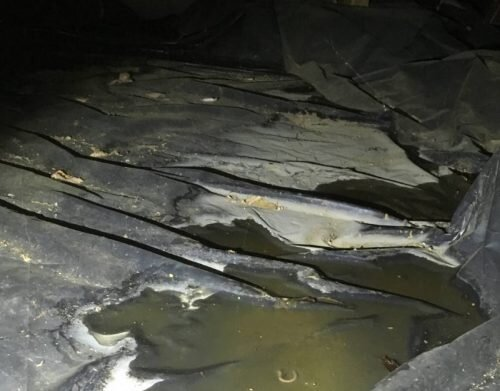
One of the advantages of crawl spaces is that they elevate the living area of your home off the ground in the case of a flood. One of the downsides is that they are more prone to flooding within the crawl spaces.
Part of this is because slab foundations and most basement foundations have concrete floor slabs. While water can infiltrate cracks in the floor, the slab at least provides some measure of protection. Many crawl spaces, however, have dirt floors, opening up an easy avenue for water to enter.
Between that and the normal ways that water would infiltrate a basement, crawl spaces tend to have moisture issues, whether it is flooding or just excess humidity. Unlike many basements, crawl spaces are unlikely to be tied into a home’s HVAC system, leaving the air inside unconditioned. This can lead to problems ranging from musty odors to wood rot to mold. And because it is less accessible, crawl space water issues can go unnoticed longer than similar problems in a basement foundation.
3. Sagging or Spongy Floors
Floors with slab foundations can begin to slant if your home is experiencing foundation problems. Barring significant subfloor issues, however, they aren’t likely to sag or become spongy. That is not the case with pier and beam foundations.
Whether because of sunken or degraded piers or rotting beams or floor joists, crawl space problems can affect the level of support that the floors of your home receive. If the floors aren’t properly supported they can start to sag in sections can can feel almost spongy to walk on.
4. Pier Degradation
Piers in pier and beam foundations can be made from a variety of materials, including steel, bricks, cinder blocks, and wood. If the wood starts to rot or mortar weakens or steel reinforcements corrode, the pier might not be able to properly support the expected load.
In these cases, you might have to replace the impacted pier or piers in order for the whole system to function properly.
5. Pest Infestations
While pest infestations aren’t unique to pier and beam foundations, they are fairly common in them. Crawl spaces are often dark, damp and isolated. This can attract everything from termites to rodents. Encapsulating your crawl space can help solve this problem by removing much of the moisture and also putting a physical barrier up on the floor and walls.
Having Problems With Your Pier and Beam Foundation? Give Us a Call
Pier and beam foundations have their own set of problems that require a specific set of fixes so it is important to deal with a foundation specialist well-versed in the issues. If you live in our Oklahoma service area and require pier and beam repairs or crawl space encapsulation, give us a call to schedule a free estimate.
