
Different foundation repair procedures go by different names, and among them are the related foundation lifting and foundation raising.
Foundation lifting might sound like it is the process of putting a house up on stilts, but in reality it is nothing quite that dramatic. Instead, it is simply the process of restoring a sunken foundation to its original height. Let’s take a look at what causes this problem and how the foundation lifting process works.
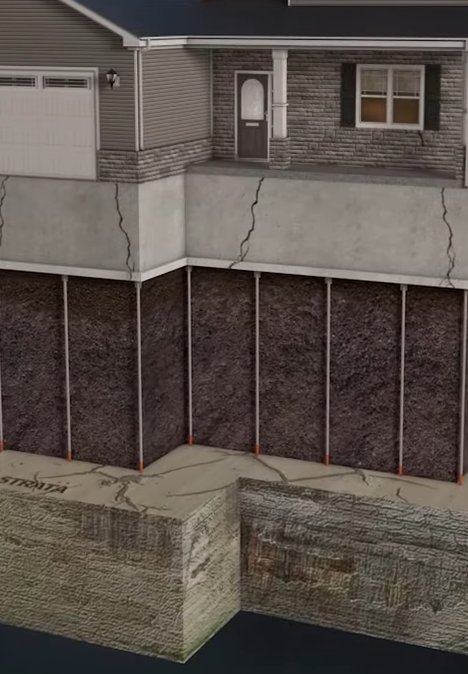
What Causes Foundations to Sink?
Basically all houses will have some degree of settlement because, well, houses are heavy. If the sinking stops there and either causes no damage or just some small hairline cracks that don’t impact the foundation’s structural integrity, it isn’t a significant problem (unless the cracks start allowing water seepage).
If the sinking exceeds the normal amount, however, it can begin to cause serious structural problems. Here are several reasons why that might happen.
- Improper Compaction: Builders must compact the soil beneath a home’s foundation before they build on it. The weight of homes built on loose soil, or soil with subsurface voids, will eventually cause them to sink. And because the soil’s strength is unlikely to be uniform, different portions of the home will likely sink different amounts. This is called differential settlement, and it is the cause of many foundation problems.
- Erosion: If erosion weakens the soil beneath your foundation, it likely will begin to sink. And because the erosion probably won’t affect all of the soil beneath your foundation equally, it is likely that it will be differential settlement.
- Active Soils: Some soils, mostly those containing a significant amount of clay, are considered active soils. Active soils have extreme shrink-swell cycles. This can lead to problems with heaving when the soil is wet and settlement when it is dry. In some cases, builders will pre-wet the soil before building on it to avoid issues with heaving. Doing this, however, leaves the home open to settlement during drier times.
How We Do Foundation Lifting
While lifting a home back to level is the ultimately goal of the foundation lifting process, the lifting itself is one of final steps. Most of the process aims to stop the home from sinking again after the repairs.
The overall process is called piering. A foundation repair contractor will sink piers made of steel or concrete (or in our case, a combination of both for ultimate strength and stability) down to a load-bearing layer of soil.
First, however, we make excavations, exposing the foundation footer in the areas where the piers will be installed. We sink the piers into the soil until they reach the proper depth, and then attach them to brackets placed on the footer.
After that, we get to the actual lifting. Hydraulics are attached to the piering setup and lift the homes back to its original height, or as close to it as possible, while ensuring the foundation is level.
When You Need Foundation Lifting
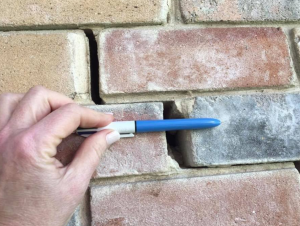
As we stated earlier, not all settlement requires foundation lifting. A small amount of uniform settlement is fine and won’t cause structural issues.
Look for any of the following symptoms.
- Cracks in the slab floor
- Cracks larger than a hairline in the foundation walls
- Stairstep cracks in masonry walls.
- Cracks in walls that get wider at the top or bottom
- Sticking windows and doors
- Cracks around window and door frames
- Stoops pulling away from the house.
These can be signs that a sinking foundation is causing structural damage to your home. At that point, you will need foundation lifting and stabilization to stop the problems from getting worse.
Looking for a Foundation Repair Contractor in Oklahoma? Contact Pierman
If you believe your home might need foundation raising and you live within our Oklahoma service area, contact us today. Our experienced team can deal with problems with any type of foundation, and the quality of the materials we use will ensure the fixes last.
