
Homes in most areas of the United States experience foundation issues. Our Oklahoma City metro service area is no different. The type and cause of these foundation problems, however, can vary widely from location to location. Here are some of the biggest challenges for Oklahoma City foundations and the problems they can cause. But first, some background.
What Types of Foundations are Most Common in Oklahoma City?
If you have a basement in the Oklahoma City area, your home is in rare company. According to 2004 data from the American Housing Survey, fewer than 4 percent of Oklahoma City homes had a basement foundation compared to almost 45 percent nationally.
Slightly more than a quarter of homes have a foundation with a crawl space, which was roughly in line with the national average. The other big difference, however, is in slab foundations. Roughly 70% of Oklahoma homes were built on slab foundations, more than twice the national average.
This impacts the types of problems that you generally find with Oklahoma City foundations.
Foundation Problem No. 1: Expansive Soil
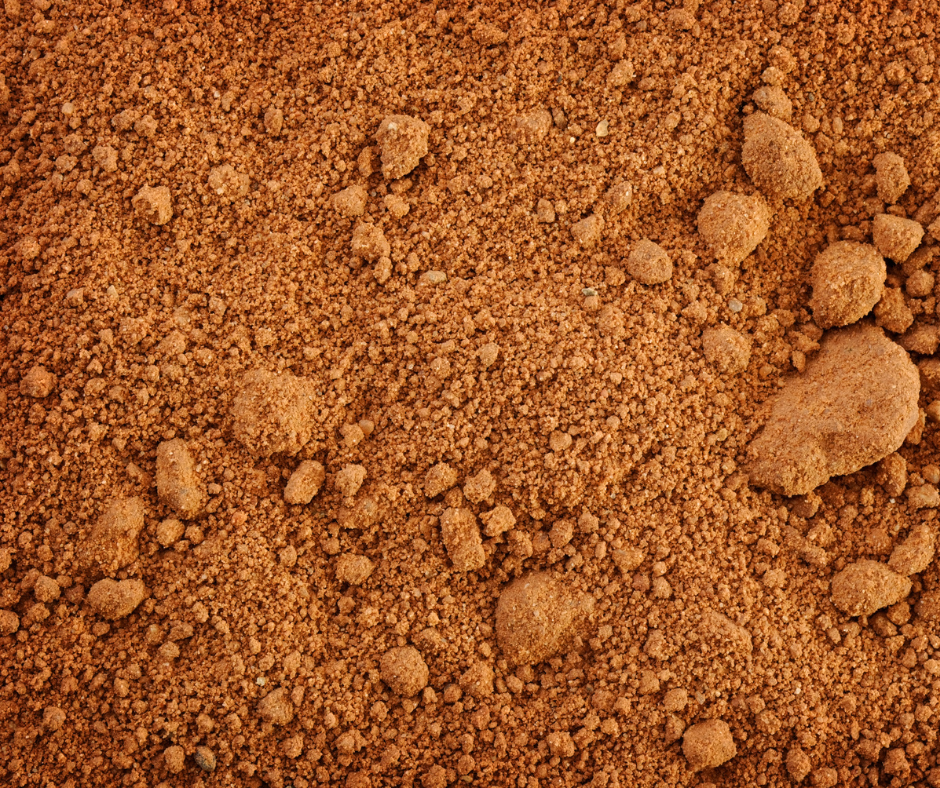
Much of the Oklahoma City area, especially the western portion of the city and metro, lies on expansive clay soils. There’s a good reason why clay soils are considered one of the worst for foundation problems.
Simply put, movement is the enemy of foundation health. Unfortunately, thanks to their extreme shrink-swell cycles, clay soils can cause a lot of foundation movement.
Water tends to cling to the clay particles, stifling drainage and causing the soil to expand because of the space taken up by the water. This can cause heaving if the soil around the foundation expands. Similarly, once the soil dries, it compacts. This causes the foundation to settle. This movement can wreak havoc on a foundation’s health.
Because of the variable composition of the soils, different portions of the soil around or beneath a foundation could shrink or swell at different rates, leading to different settlement or heaving. This is when portions of the home’s foundation sinks or heaves more than other parts.
Expansive soils are especially bad for slab foundations, as differential settlement is most common with them.
Problem No. 2: Weather
Rainfall is not consistent in Oklahoma. We tend to have cycles of drought followed by heavy storms.
Remember how the soil reacts to moisture? This just exacerbates the problem. The drought conditions ensure that we hit the extremes of the shrink side of the cycle while the storms do the same for the swell side.
If you have clay soil, you definitely don’t want highly variable precipitation. Unfortunately, we have both.
Problem No. 3: Perched Water Tables
With the exception of some areas around creeks or in floodplains, most of the Oklahoma City area is fortunate enough not to have to deal with problems that can arise from high water tables.
Well, at least the true water table.
The clay soil can retain moisture in such a way that it could lead to a “perched” water table if proper drainage measures are not taken. This can be especially problematic for the few homeowners with basements.
Advantages for Oklahoma City
It’s not all doom and gloom, however. Some conditions work in your favor. As was stated in the last section, most of Oklahoma City has a deep water table, so you are unlikely to have water-table related problems.
The warm climate also ensures that frost-heave is rarely an issue. Oklahoma’s frost line is shallow (around 12–18 inches). This is also why basements are uncommon here and slab-on-grade foundations dominate.
For the areas in the metro without expansive soils, these are both big pluses.
Need Foundation Repair in Oklahoma City? Call Pierman
At Pierman, we know the problems that face foundations in the Oklahoma City area. We also know how to fix them, regardless of soil type or what sort of foundation your home has. If you think your home has foundation problems, contact us for a free estimate.
