
Pier and Beam foundations are among the most common types across the board, and especially in Oklahoma, where we at Pierman are based. They are better able to withstand active soils than most other foundation types and can be built on uneven terrain. Like all foundations, however, they can have problems. Here are some warning signs to look for to spot pier and beam foundation issues.
6 Signs of Pier & Beam Foundation Issues
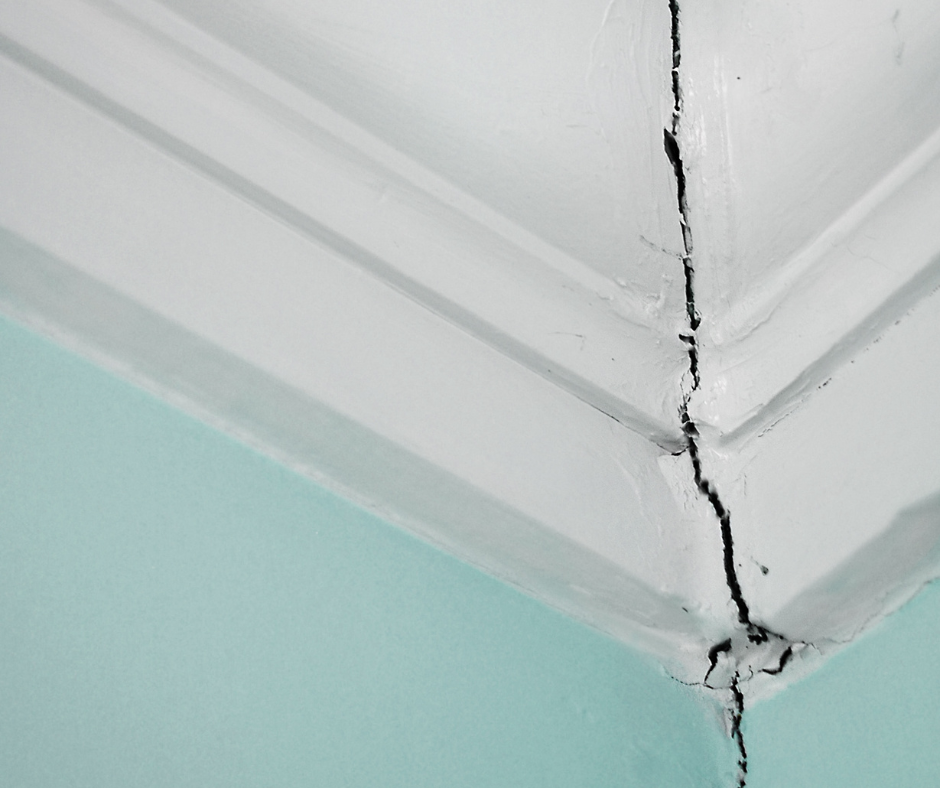
1. Wall or Ceiling Cracks
Cracks are a universal sign of problems no matter what type of foundation you have. Simply put, a weakened foundation stresses the other structural components, like walls and ceilings. If this stress gets too great, cracks will form. Pay particular attention to vertical or diagonal wall cracks more than a hairline in width or cracks emerging from walls or corners on the ceiling.
The areas around windows and doorframes are other places where foundation-related cracking can occur.
Read More: Are Ceiling Cracks Serious?
2. Sticking Doors and Windows
If you have a sinking pier or a weakened beam, that lack of support is going to throw the house slightly out of alignment. In most areas, this might not be noticeable. Door and window frames, however, are the exception. That misalignment will cause the doors and windows to not fit quite right.
Some portions will stick, making them tough to open and shut. Other portions will see gaps, which can allow air drafts. This is usually a sign of foundation problems, no matter what type of foundation you have.
Learn More: Why Are Your Doors and Windows Sticking?
3. Sagging or Sloping Floors
In a pier and beam foundation, the piers support the beams, the beams support the floor joists and the floor joists support the floor. If one of those areas has been weakened, it will impact all of the areas above it. If a couple of the piers settle that could cause the structure, and the floor, to slope in one direction. If wood rot weakens the beams or joists, the floor will sag in that spot and likely feel spongy.
Learn More: Are Sloping Floors a Serious Issue?
4. Gaps Between the Floor & Baseboards
If the floor isn’t properly supported, it might cease to be level with the wall framing. This will cause gaps between the floor and the baseboards. This is a clear sign of pier and beam foundation issues, especially if your pier and beam home is not new, where faulty construction could be to blame.
5. Musty Odors
Many of these signs mimic those of foundation failure for slab and basement foundations. Here is where they diverge. If you notice a musty odor in your home, there is a good chance that you have crawl space moisture problems. Moisture in and of itself isn’t necessarily a foundation problem, but it can lead to wood rot and other issues that do impact the stability of your foundation.
Read More: 5 Reasons Crawl Space Waterproofing Is Essential for Your Home’s Health
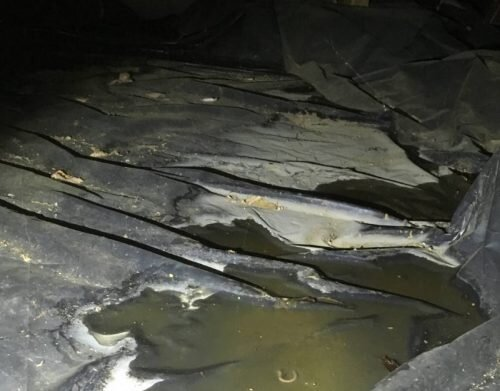
6. Visual Cues in the Crawl Space
While few people enjoy inspecting their crawl space, there are several obvious visual clues you can see that you have pier and beam foundation issues. Look at the piers for signs of deterioration. Look at whether the beams appear to be rotting or sagging. Check for standing water.
Read More: The Dangers of Crawl Space Wood Rot
How to Fix Pier & Beam Foundation Issues
At Pierman, we have extensive experience dealing with pier and beam foundation issues. In some cases a portion of the foundation system will need to be replaced. Any deteriorating piers or rotting beams or joists will need to be replaced so that the foundation can be strong enough to support the structure above. Crawl space encapsulation and/or french drain installation might be needed to stop water problems.
If you live within our Oklahoma service area and these problems sound familiar to you, contact us for a free estimate. As a rule, foundation problems don’t solve themselves. They only get worse. The more time that passes, the more extensive the damage and the more costly the repairs.
