
When some people spot ceiling cracks in their home, they just assume it is par for the course and ignore them. Others panic and assume their home has structural problems.
Neither approach is correct.
Some ceiling cracks are cosmetic, a sign of either poor workmanship or the age of the materials. And cosmetic cracks require only cosmetic fixes.
Other cracks can be a sign that foundation problems have thrown your home out of alignment. This placed the structural components of your home, including the ceiling, under stress until they crack. These should be promptly addressed.
So which is yours? There are some signs that can help determine it.
Is There Discoloration Around the Ceiling Cracks?
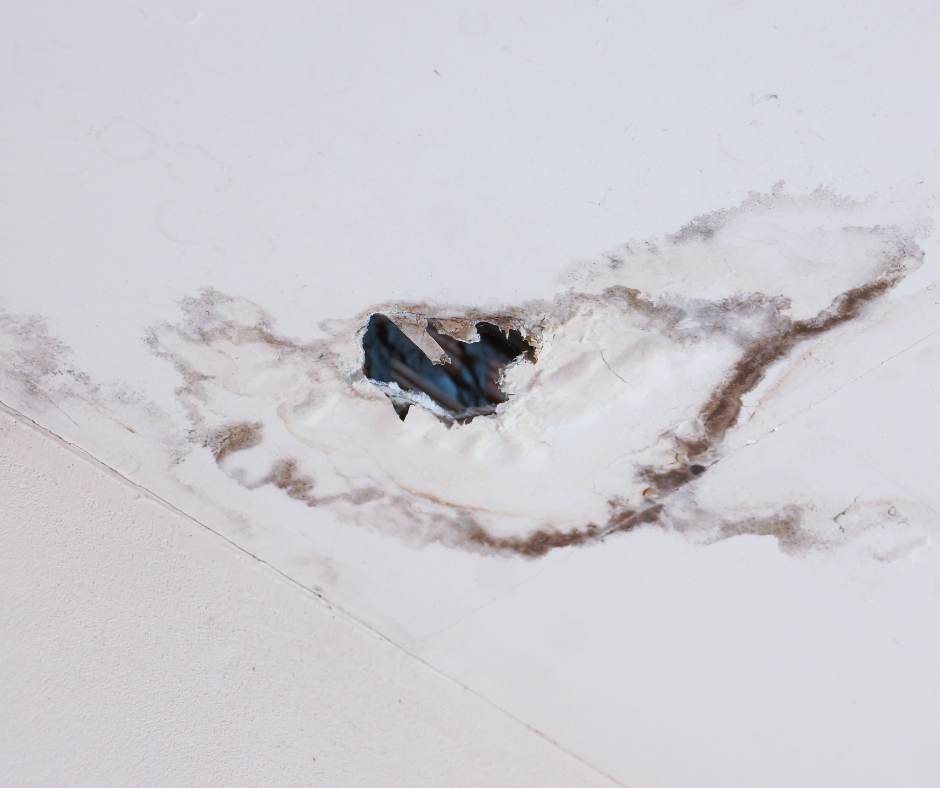
Also falling into this category include questions such as “Does the ceiling crack have a musty odor?” and “Is there mold growing around it?”
If the answer to any of these questions is yes, you might be in more need of a plumber or a roofer than a foundation repair expert.
These are all signs that water damage caused the crack.
Whether the problem is the plumbing or the roof, you are going to need an expert to solve that problem along with repairing the damage to your ceiling.
Do the Cracks Run in a Straight Line (Following Drywall Seams)?
Whether caused by poor installation or poor insulation, drywall ceilings can show cracks over time along the seams.
This is perhaps the least concerning of the causes because it isn’t structural. The drywall might need to be retaped and the ceiling repainted, but in the realm of potential repairs, that is relatively minor (although, yes, many people do not like dealing with drywall).
Are the Ceiling Cracks Small & Look Like a Spider Web?
Many materials are to some degree susceptible to changes in temperature and humidity.
If your home tends to have significant humidity fluctuations, it can lead plaster ceilings to crack from the expansion and contraction that it causes.
These aren’t structural but will tend to be an ongoing issue so long as the fluctuations are there.
Is the Ceiling Also Sagging?
While we don’t often think about it, the structure of our house isn’t built to support an infinite amount of weight.
If too much weight is concentrated over a portion of the ceiling, the pressure is going to cause the ceiling to sag and crack.
You should redistribute the weight if possible and make sure that no long term structural damage has been done.
Are the Cracks Diagonal? Jagged? Growing Over Time?
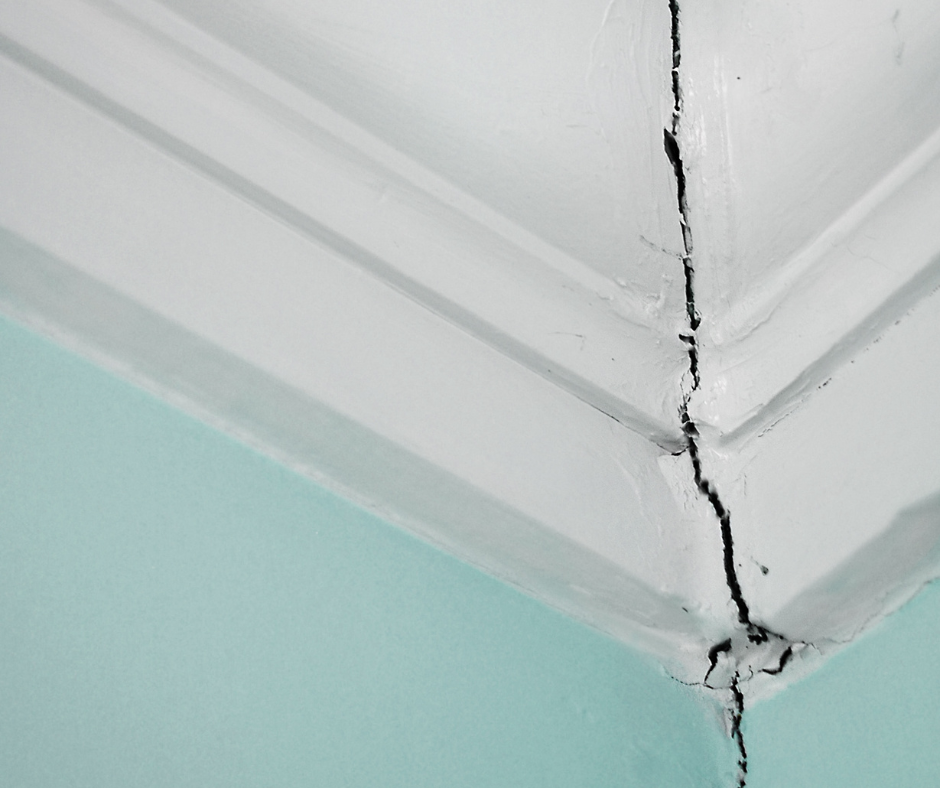
Here is where we get to our specialty at Pierman. All of these can be signs that your home is experiencing foundation problems.
Whether it is a slab or basement foundation settling or the piers and beams not providing consistent support for the home above, foundation problems tend to throw everything about the home out of alignment. The stress from that can cause cracks in walls, floors and, yes, ceilings.
Because the pressure is ongoing, these cracks have a tendency to grow over time. If you notice cracks that are growing or that are significant in size with no other obvious explanation, you should have an expert inspect your foundation to see if you are experiencing foundation problems.
Need a Foundation Expert in Oklahoma? Contact Pierman
If you are concerned that your ceiling cracks might be because of foundation problems and live within our Oklahoma coverage area, contact us today. Our experts can determine what is causing your ceiling cracks and give you recommendations for what comes next.
