
While it is easy to ignore your home’s crawl space, it houses some of the most important aspects of your home’s well-being. This sometimes includes plumbing or utility lines, but it always includes many of your home’s most important structural components. So when crawl space wood rot strikes, it is not a problem to ignore or take lightly.
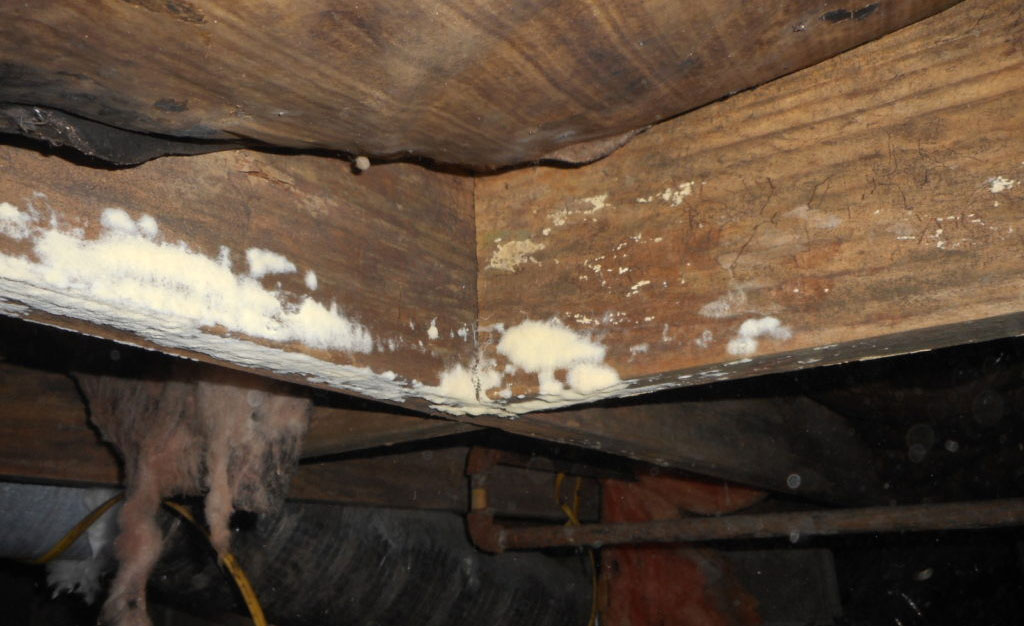
Problems Caused by Crawl Space Wood Rot
1. Serious Structural Issues
If you have a pier and beam foundation, the wood in your crawl space is an integral part of your home’s foundation. From the beams to the floor joists, they have a crucial job in ensuring your home’s structural stability.
When the wood begins to rot, it becomes weak. If it becomes weak enough, it might not provide the level of support that it was designed for. When this happens, it can not only weaken your floor but also throw other portions of your home out of alignment.
2. Spongy or Slanted Floors
This issue is closely related to No. 1. As the structural beams and floor joists weaken from rotting, they are no longer able to provide proper support for the floor above. The floor could sag or feel “spongy” in the affected area.
Depending on the location of the rotting, the floor also might begin to slant. If you live in a home with a pier and beam foundation and suddenly notice your floors have started to slant, your crawl space is a good place to begin the search for a culprit.
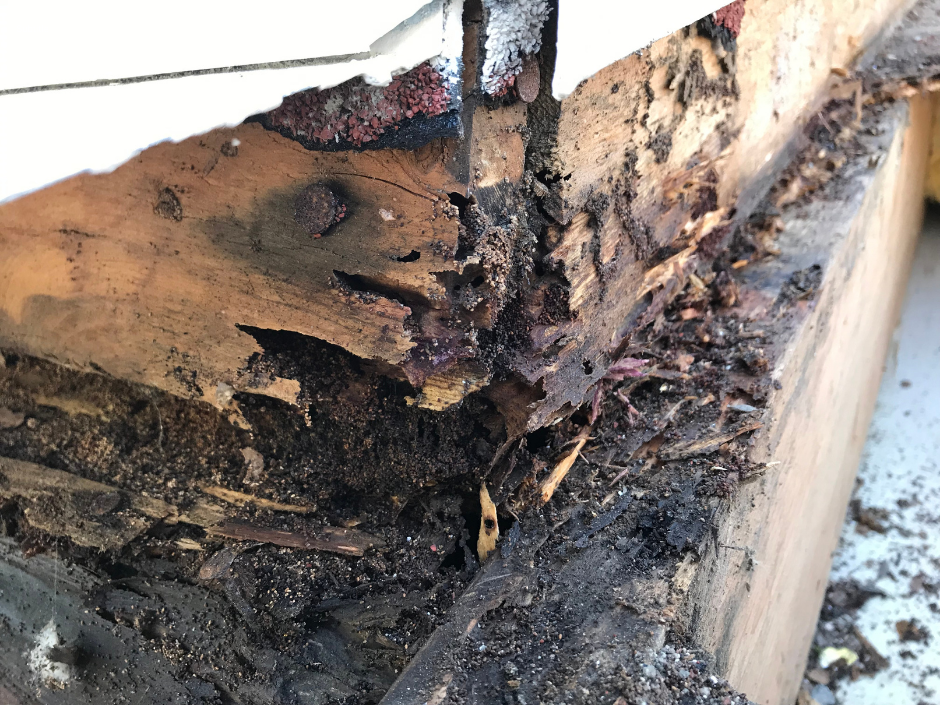
3. Insect Infestations
Moisture in a crawl space can attract a host of pests, some of which are drawn by the smell of rotting wood. Two of the ones in this category can exacerbate the problems caused by the wood rot: termites and carpenter ants.
In each case, the smell alerts the insect to something that it needs, weakened wood. For termites, that means food; for carpenter ants, material to build their nest. In both cases, however, these are insects you would rather not have in your home. They will only further weaken your home’s wooden structural system.
4. The Smell
While termites and carpenter ants might be attracted to the smell of rotting wood, people usually aren’t. And the odor will not remain confined to the crawl space. For those with sensitive noses, it can become a quality of life issue.
How to Repair Crawl Space Wood Rot
The first step to repair the structural components within the crawl space. Often, this will require replacing the affected beams or floor joists. Since these are the structural components of your house, it is important to have the repairs done by a contractor experienced with pier and beam and crawl space foundations.
The second step is also important. That is to make sure the wood rot issues don’t return.
Since moisture problems usually cause the wood rot, the key is keeping moisture out of the crawl space. One of the keys to that is crawl space encapsulation.
With crawl space encapsulation, a tear-resistant vapor barrier is placed along all walls and the floor, often along with the piers that are supporting the beams. Any crawl space vents are also sealed.
In some cases, this might be sufficient. If your crawl space has larger water problems, however, more extensive waterproofing might be required. Regardless, however, it is important to keep the crawl space dry to stave off additional wood rot along with other related problems such as mold and mildew.
Is Your Oklahoma Home Experiencing Crawl Space Wood Rot?
If you live within our Oklahoma service area and your home is experiencing crawl space wood rot, contact us and we can schedule a free consultation. We will examine the problems and explain how we would repair them.
